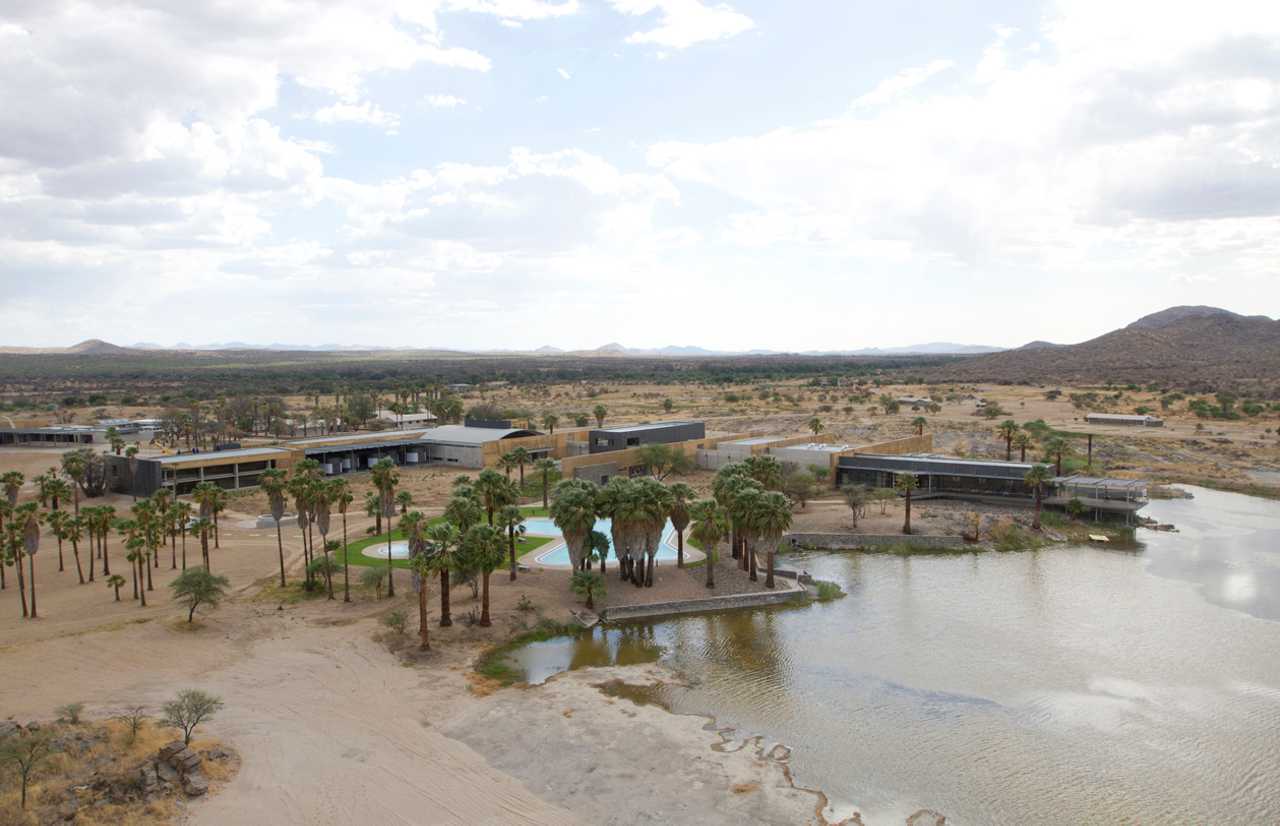
A Rhenish mission station was established here in 1844 as one of Namibia’s earliest mission stations. The German missionaries named it Neo Barmen after Barmen, the headquarters of the Rhenish Mission Society in Germany. Situated…
This area is known as an angler’s paradise, with kabeljou, galjoen and steenbras the most prized species. But it also contains a few surprises. Extensive lichen fields are found north of Wlotzkasbaken and Cape Cross,…
Nur 24 km westlich von Windhoek liegt ein Schutzgebiet für eine relativ große Population von Wildarten, die für das namibische Hochland typisch sind. Der Park wurde noch vor der Unabhängigkeit ausgerufen, um das Ökosystem des…
Just 24 km west of Windhoek lies a sanctuary for a relatively large population of game species typical of Namibia’s highlands. Proclaimed before Independence to preserve the ecosystem of the Khomas Hochland, the park was…
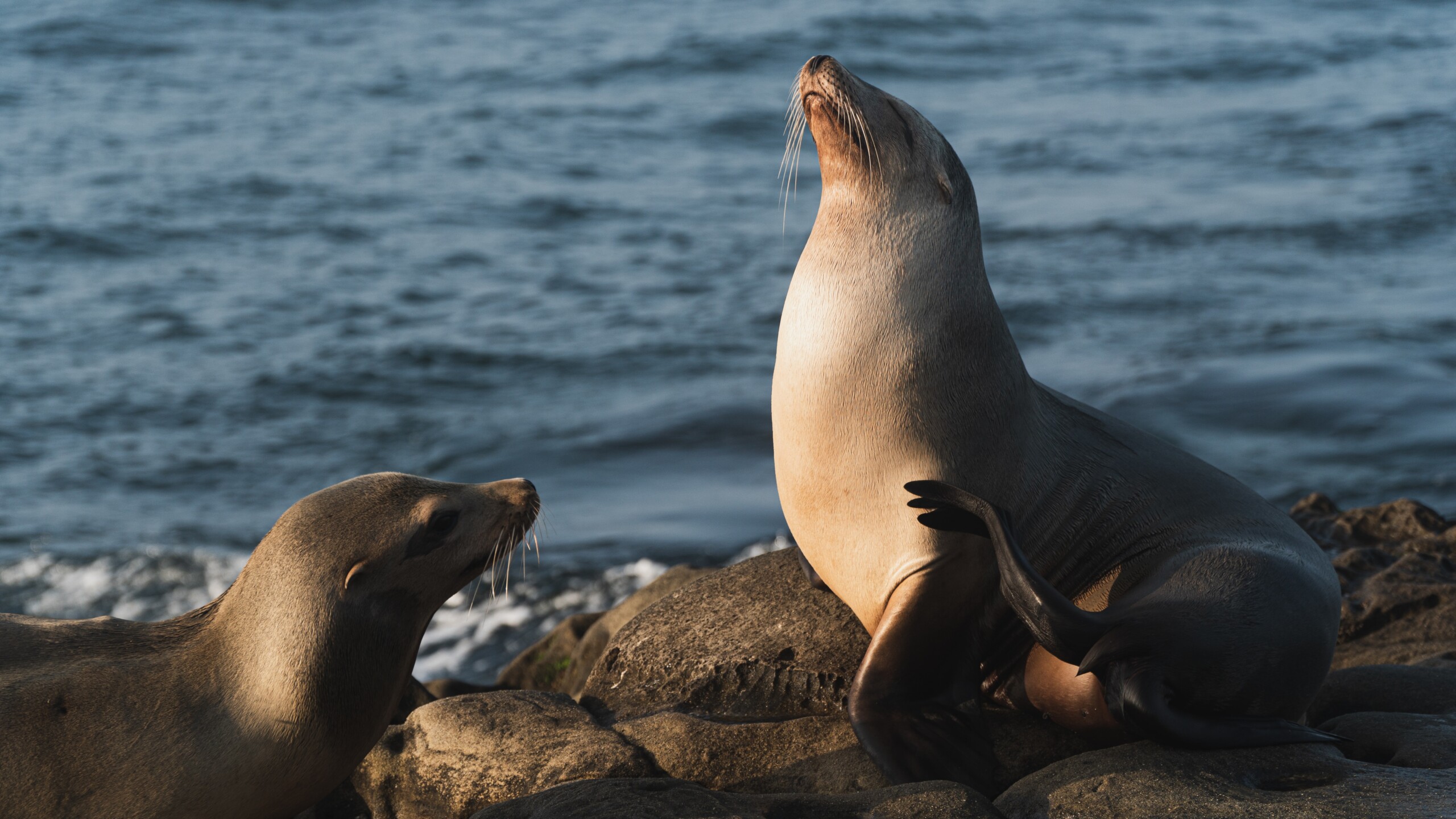
Cape Cross has both historic and biological significance and is a popular tourist attraction. The Portuguese navigator, Diego Cão, landed here in 1486 on his second expedition south of the equator and planted a stone…
The park was first proclaimed as the Caprivi Game Reserve in 1966 and upgraded to the Caprivi Game Park in 1968. It was gazetted as the Bwabwata National Park in 2007 and incorporated the former…
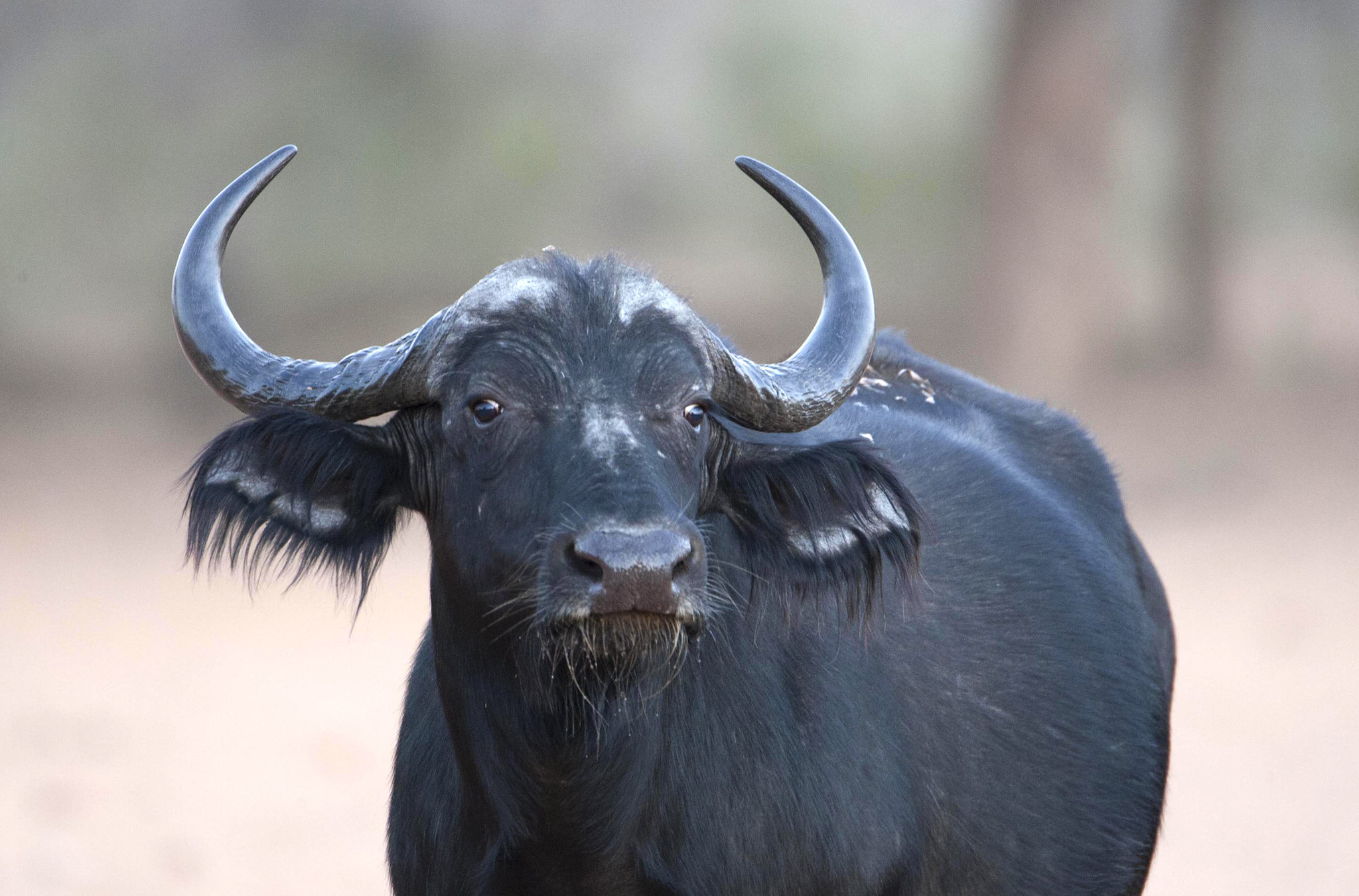
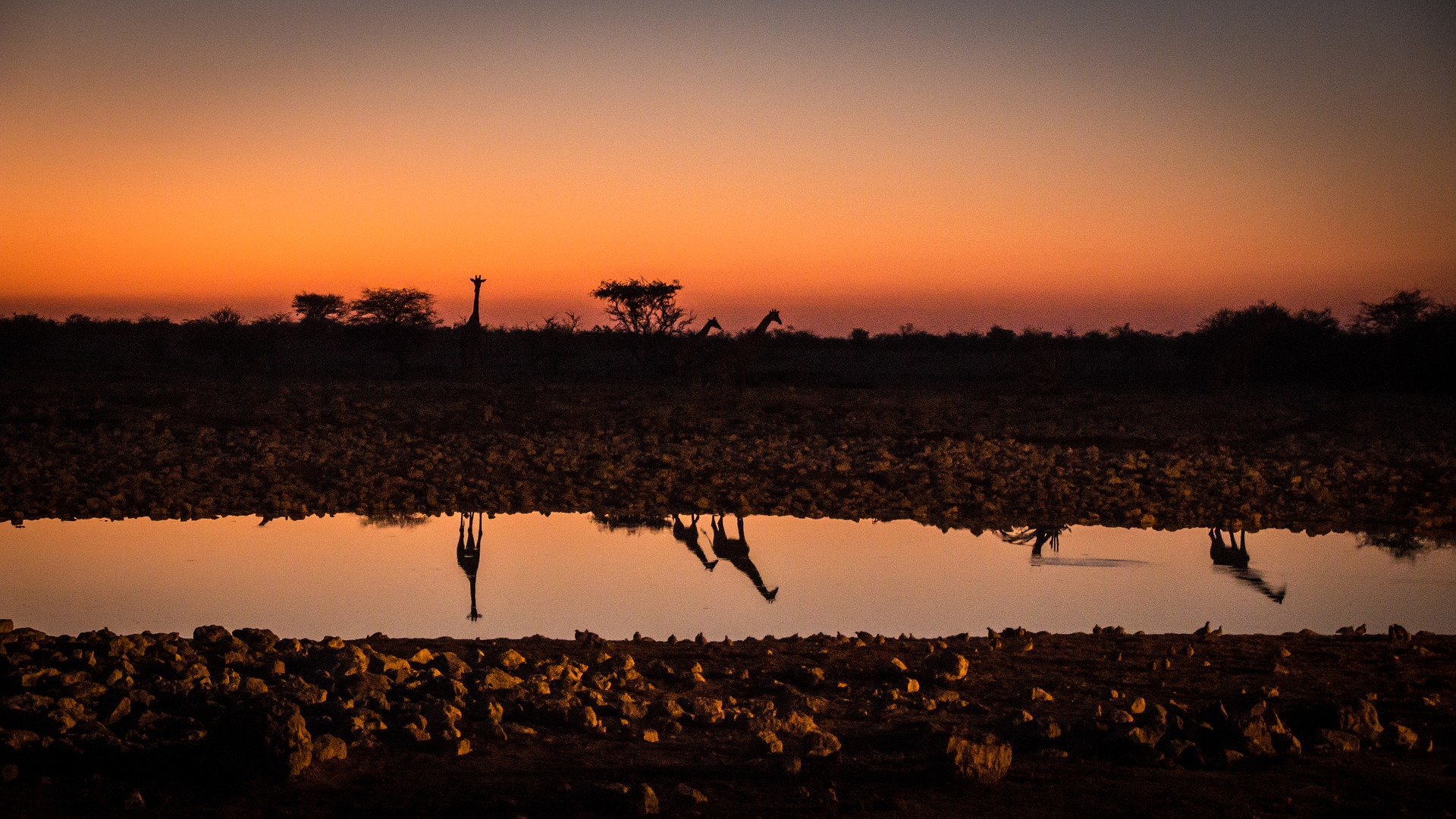
One of the greatest game parks in Africa – and one of the oldest – is also Namibia’s number-one tourist destination. Home to 114 large and small mammal species, more than 400 recorded bird species,…
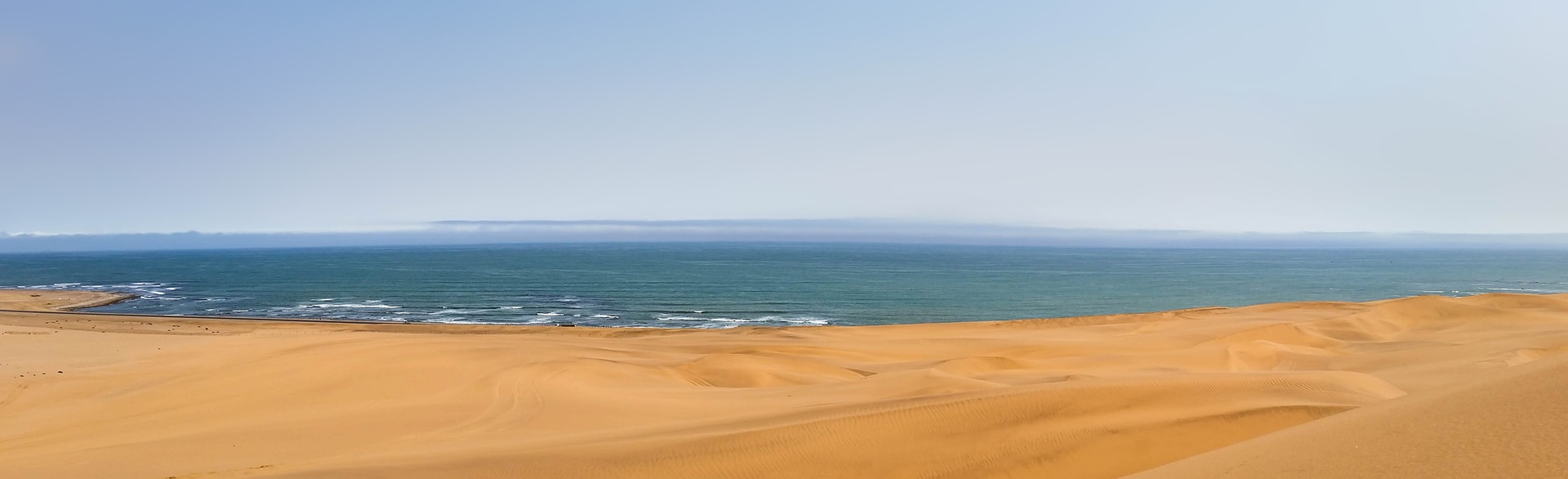
Namibia received its second UNESCO World Heritage Site in 2013. The Namib Sand Sea covers an enormous area of 3077700 hectares, with an additional 899500 hectares designated as a buffer zone and within the Namib-Naukluft…
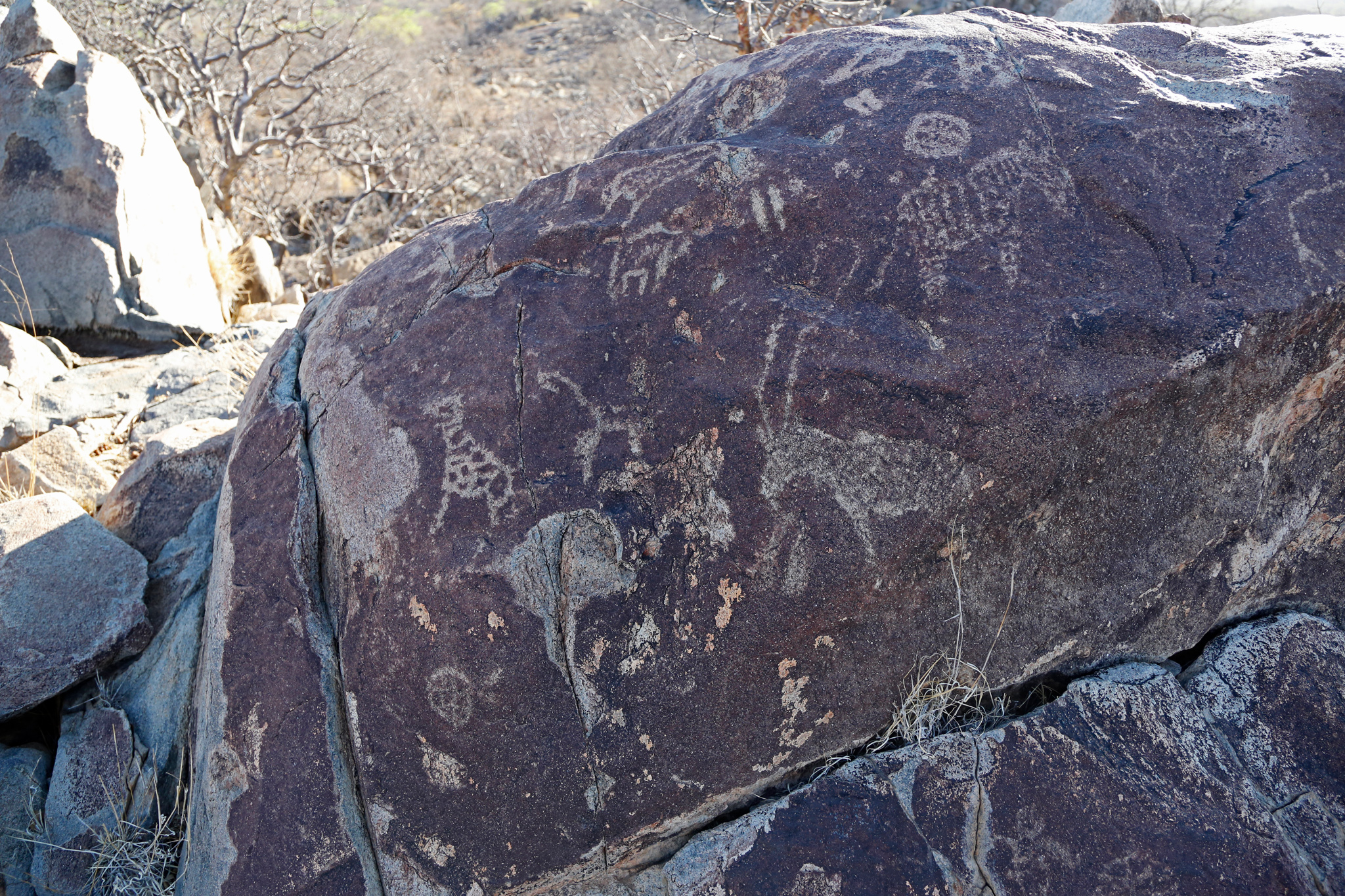
Namibia was awarded its first UNESCO World Heritage Site in 2007. Since then, visitors from all over the world have travelled to Twyfelfontein – one of the largest concentrations of rock petroglyphs in Africa. It…
Africa’s largest natural gorge, some of the world’s oldest rock paintings, one of the richest botanical hot spots on earth and Namibia’s most popular hiking trail it’s all at;/Ai- /Ais Hot Springs. Proclaimed in 1968,…
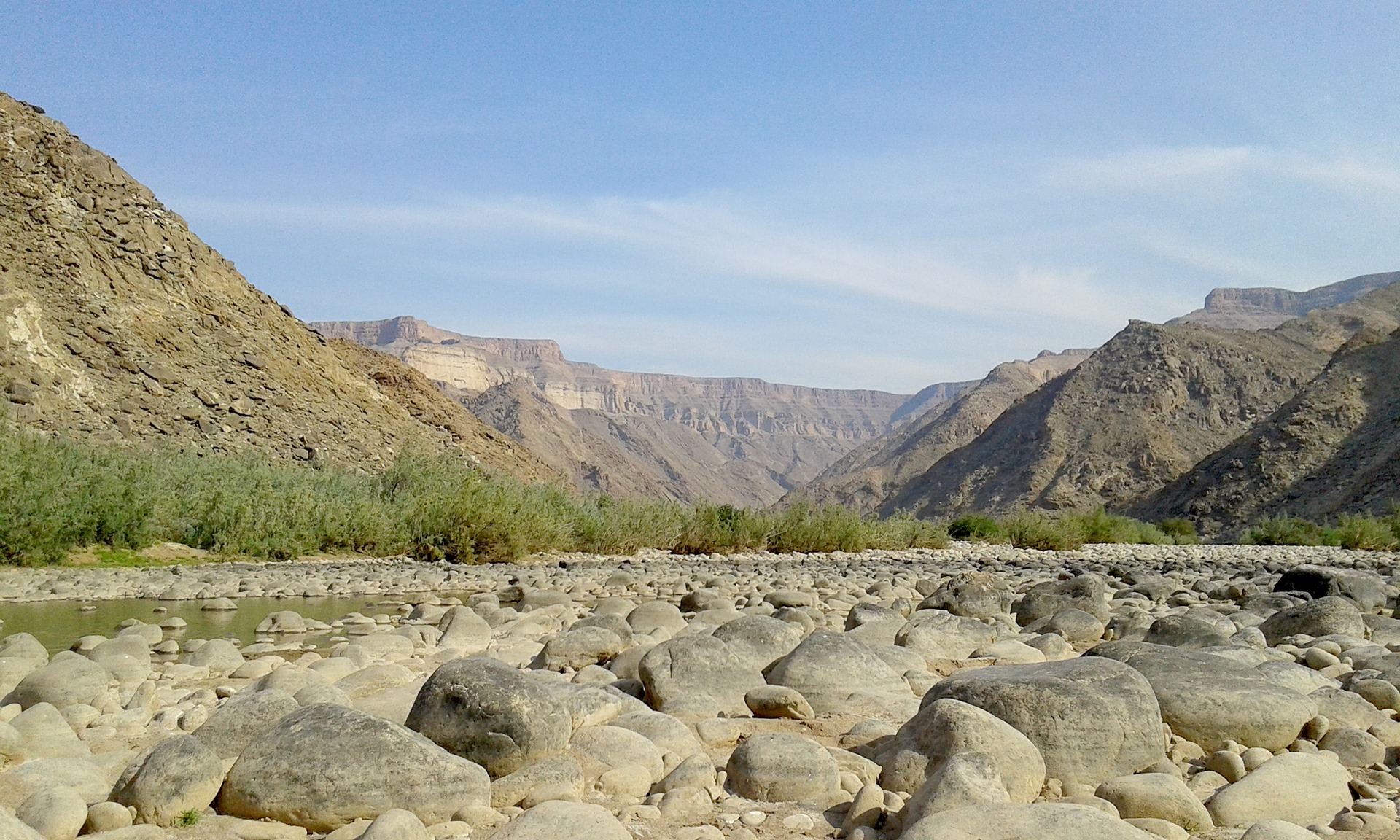
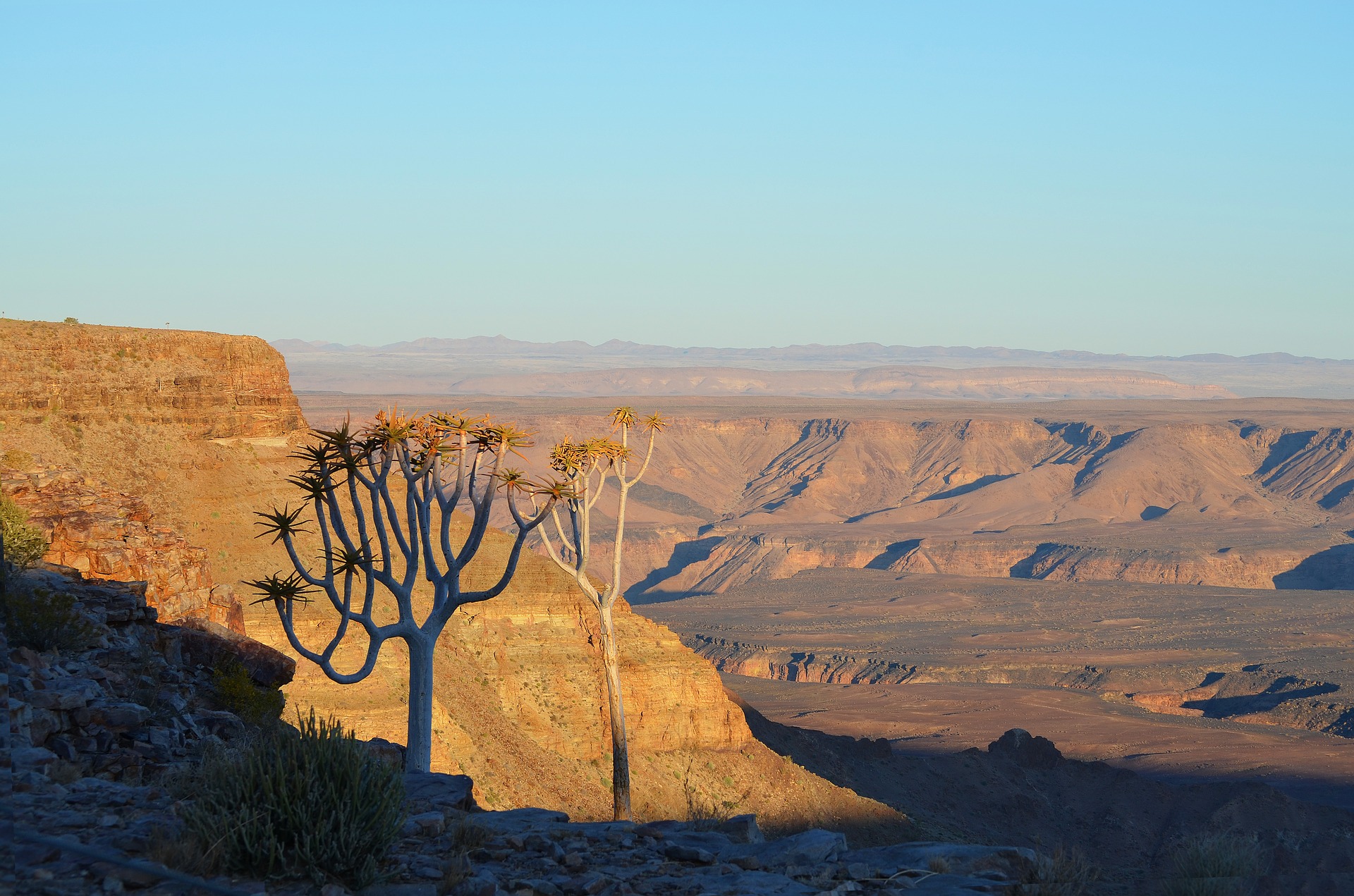
The Fish River Canyon is found in the southern part of Namibia's longest river. This incredible geological landscape is the second-largest canyon in the world (after the Grand Canyon in Arizona) and Africa's largest canyon.…
The Spitzkoppe lies west of Usakos, and it is one of Namibia's most photographed and painted outcrops of granite. These granite rocks are intrusive and were formed by the slow cooling of molten masses below…