


Beneath the rugged limestone landscape of northern Namibia lies one of the world’s most extraordinary natural discoveries Dragon’s Breath Cave. Mysterious, rarely visited, and home to the largest known non-subglacial underground lake on Earth, this remarkable geological wonder continues to fascinate scientists, explorers, and adventure enthusiasts alike.
While Namibia is internationally celebrated for its towering dunes, dramatic coastlines, and abundant wildlife, Dragon’s Breath Cave reveals an entirely different side of the country’s natural heritage one hidden beneath the surface.
A Hidden Gem Beneath the Earth
Dragon’s Breath Cave is located on a private farm approximately 46 kilometres northwest of Grootfontein in Namibia’s Otjozondjupa Region. The cave was discovered in 1986 by members of the South African Speleological Association during an exploration of the area’s karst landscape.
Its unusual name comes from the warm, humid air that escapes from the cave entrance, creating the impression of a dragon breathing from deep within the earth.
Home to a Remarkable Underground Lake
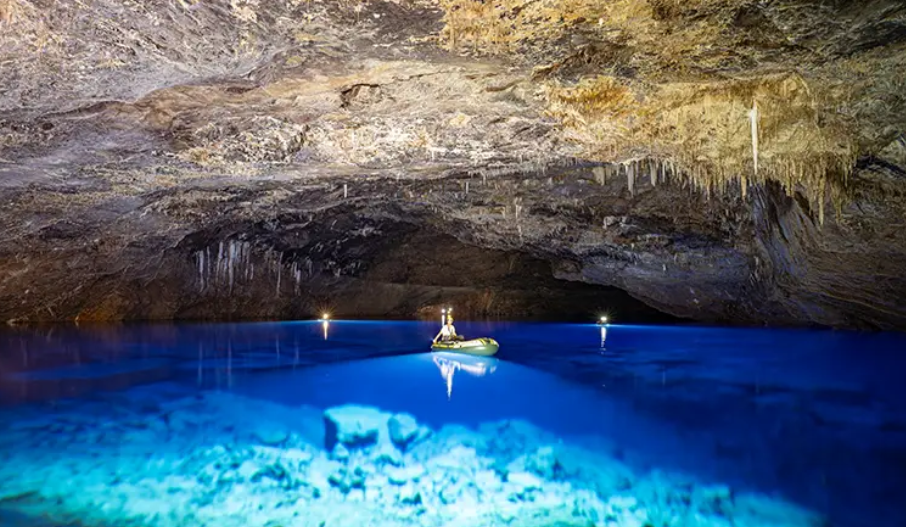
The cave’s greatest claim to fame is its immense underground lake, which is recognised as the largest known non-subglacial underground lake in the world.
The crystal-clear water stretches beneath the cave for an area of approximately 2 hectares (about 20,000 square metres). Although the visible lake is impressive, scientists believe that parts of the underwater system remain unexplored due to its depth and complexity.
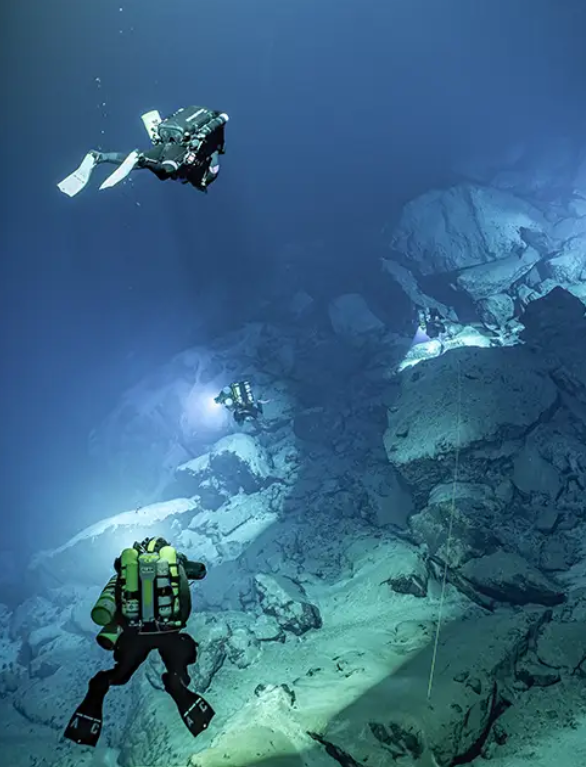
Divers have measured depths of more than 80 metres, but the true depth and full extent of the lake are still not fully understood, adding to the cave’s enduring mystery.
A Geological Masterpiece
Dragon’s Breath Cave was formed over millions of years through the gradual dissolution of limestone by groundwater, creating an intricate network of underground chambers and passages. This geological process, known as karst formation, has shaped spectacular rock formations throughout the region.
The cave chamber itself is enormous, with dramatic rock walls surrounding the tranquil underground lake. The crystal-clear water reflects the cave ceiling, creating a surreal and almost otherworldly atmosphere.
A Paradise for Scientists and Explorers
Dragon’s Breath Cave continues to attract geologists, hydrologists, cave divers, and researchers from around the world.
Scientists study the cave to better understand:
- Underground freshwater systems
- Karst geology
- Climate history preserved in cave formations
- Groundwater movement and recharge
- Unique subterranean ecosystems
Because much of the cave remains unexplored, every scientific expedition has the potential to uncover new discoveries.
A Delicate Underground Ecosystem
Despite its isolated location, Dragon’s Breath Cave supports a unique ecosystem adapted to life in darkness. The underground lake provides a stable environment that researchers continue to study to better understand how organisms survive in such extreme conditions.
Protecting this fragile ecosystem is essential, as underground environments are particularly vulnerable to pollution and disturbance.
Can Visitors Explore the Cave?
Dragon’s Breath Cave is located on private property and is not generally open to casual tourism. Access is restricted and usually requires permission from the landowner or participation in authorised scientific or exploration activities.
These restrictions help preserve the cave’s delicate environment and ensure visitor safety, as the descent into the cave requires specialised equipment and experience.
Travellers interested in Namibia’s geology can instead explore other accessible cave systems and natural attractions throughout the country while learning about the fascinating science behind underground landscapes.
The Importance of Conservation
Dragon’s Breath Cave is not only a geological wonder but also an important freshwater resource and scientific site. Responsible management is essential to protect its pristine waters, unique geological formations, and ecological value for future generations.
Conservation efforts help ensure that ongoing research can continue while safeguarding one of Namibia’s most remarkable natural treasures.
A Different Side of Namibia
Namibia is a country of remarkable contrasts. Above ground, visitors encounter towering sand dunes, wildlife-rich national parks, rugged mountains, and expansive savannahs. Below ground, Dragon’s Breath Cave reveals a hidden world of mystery, ancient geology, and extraordinary natural beauty.
Although few people will ever have the opportunity to descend into this remarkable cave, its existence serves as a reminder that Namibia still holds many secrets waiting to be discovered.
Discover Namibia’s Hidden Wonders
From the red dunes of Sossusvlei and the dramatic Skeleton Coast to the lush waterways of the Zambezi Region, Namibia offers unforgettable experiences at every turn. Dragon’s Breath Cave adds another chapter to this story a hidden underground marvel that showcases the country’s incredible geological diversity.
Whether you’re an adventurer, a nature enthusiast, or simply fascinated by the wonders of our planet, Dragon’s Breath Cave stands as one of Namibia’s most captivating natural landmarks and a testament to the extraordinary beauty hidden beneath the Earth’s surface.